
 Start Read
 Recommend
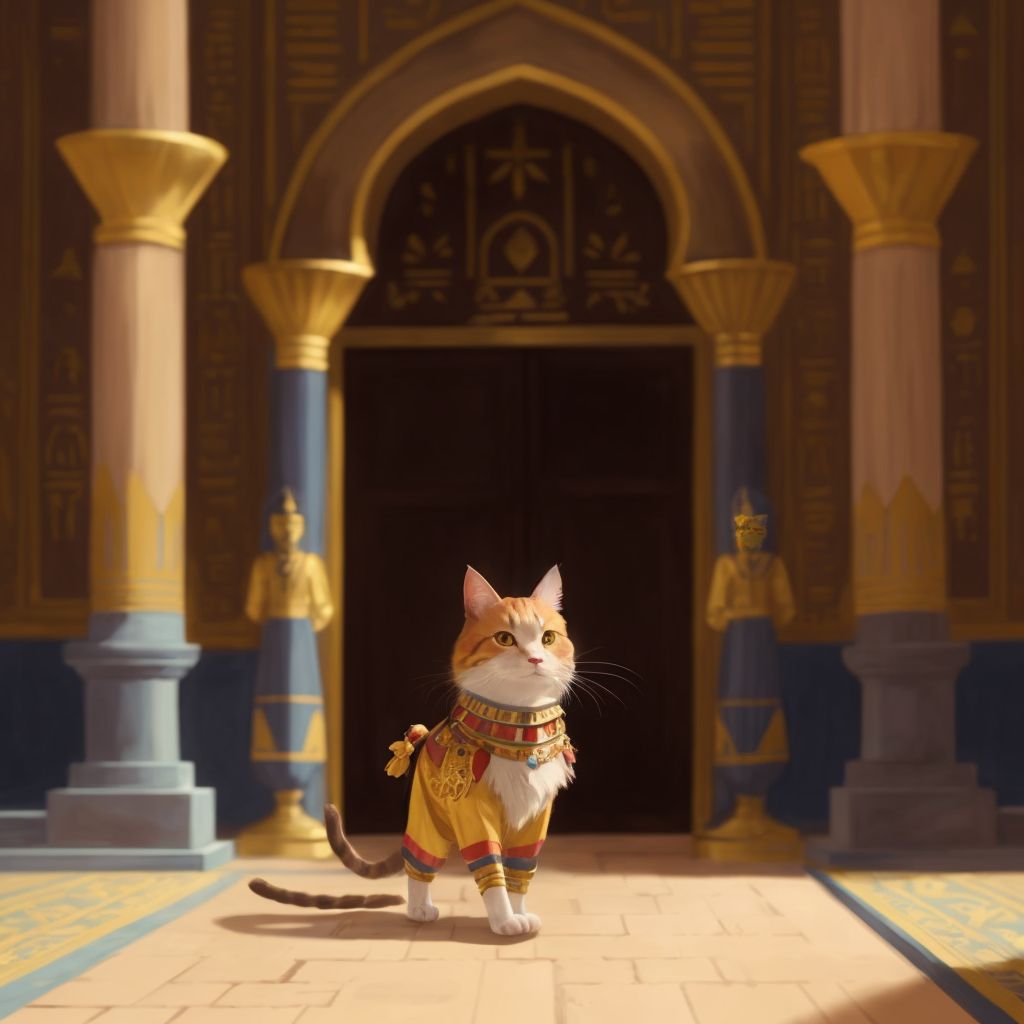
Un gratto nell'antico egitto diventa un funzionario del faraone

This story is about an 8 year old boy called Kwan who has behaviour issues and school and often gets into trouble for hitting other students. If he is accidentally pushed, he will push or hit back. If something happens that he doesn't like, he will react the same. Despite teachers trying to help him to understand that this is not appropriate behaviour, Kwan finally understands that he he wants to be accepted and have positive relationships with the other students he must keep his hands off others, and treat them with kindness and respect.
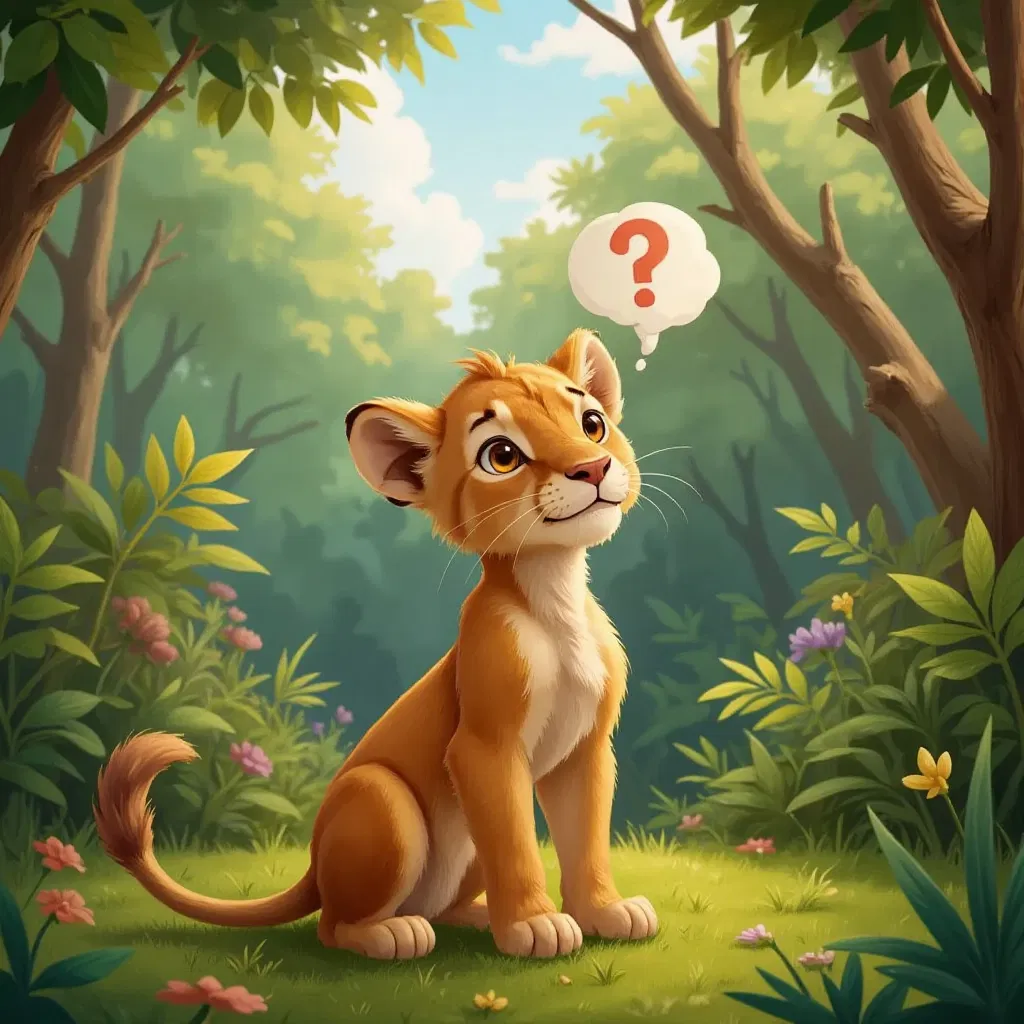
Meet Leo, a curious and brave lion cub who loves exploring the jungle and asking big questions. One day, he wonders why some animals have cozy homes and freedom to choose when to have babies, while others don’t. Seeking answers, Leo visits Ellie the wise elephant, who introduces him to the idea of “reproductive rights”—the ability to make choices about family and living conditions. Leo journeys to places like Giraffe Grove, where animals enjoy freedom and happiness, and Crocodile Creek, where old rules make life harder. Saddened but inspired, Leo learns about animal heroes like Olivia the owl and the Rainbow Birds, who helped bring change in their communities. Determined to help, Leo forms “Leo’s Lions” to teach other animals about their rights. With time, teamwork, and courage, the jungle begins to change. Animals of all kinds unite to create fairer rules. As the sun sets, Leo feels proud, knowing his voice—and every voice—can make a difference.

a young toddler girl Carol who is who is heroes that wears cape a cape and and go to rescue a kindergarten class that needs to learn the alphabet

Little unicorn standing in a field of flowers, with a big smile on her face.
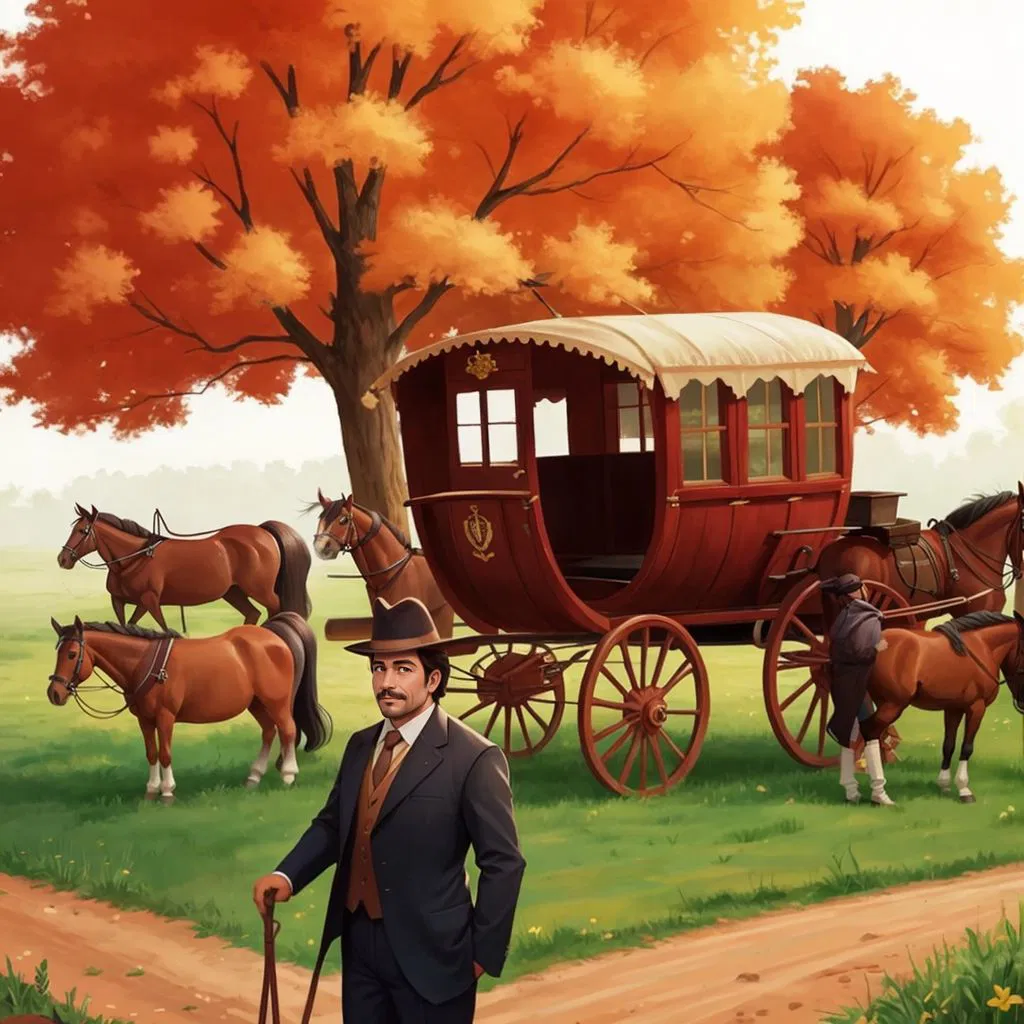
On a dirt road in the middle of a wide field, there stood a stunning carriage resembling a stagecoach, adorned with gold edges and intricate carvings. It was being pulled by six large chestnut horses: two at the front, two in the middle, and two at the back. Surprisingly, the horses were motionless, not moving the carriage. The driver was spotted underneath the carriage on his back, working on something between the front wheels. Despite the risky position, he seemed unafraid, confident in the disciplined horses that awaited his command. While observing, two young colts emerged from the field, inviting the horses to play. The colts frolicked and urged the horses to join them in games and races, but the horses remained still, waiting for the Master's voice. The colts, unaware of harnesses and discipline, couldn't comprehend the horses' lack of response. Eventually, the colts were captured and taken for training by the Master, leaving behind their carefree existence for a structured life of discipline. One colt rebelled and escaped the training, returning to freedom. The other chose to submit and learn from the Master. The training intensified, teaching obedience and responsiveness to the Master's commands. The obedient colt completed the training, only to face a new form of confinement with a harness, restricting his movements to the Master's will. Meanwhile, the rebellious colt envied his brother's transformation into a strong, honored horse pulling the King's carriage. A drought struck the land, leaving the rebellious colt struggling to find sustenance, while the obedient one thrived on the provisions provided by the Master. In the end, the rebellious colt realized the source of his brother's strength and sustenance – the Master's House. Despite confinement, the obedient horse found nourishment and strength in the Master's care, highlighting the rewards of submission and discipline.
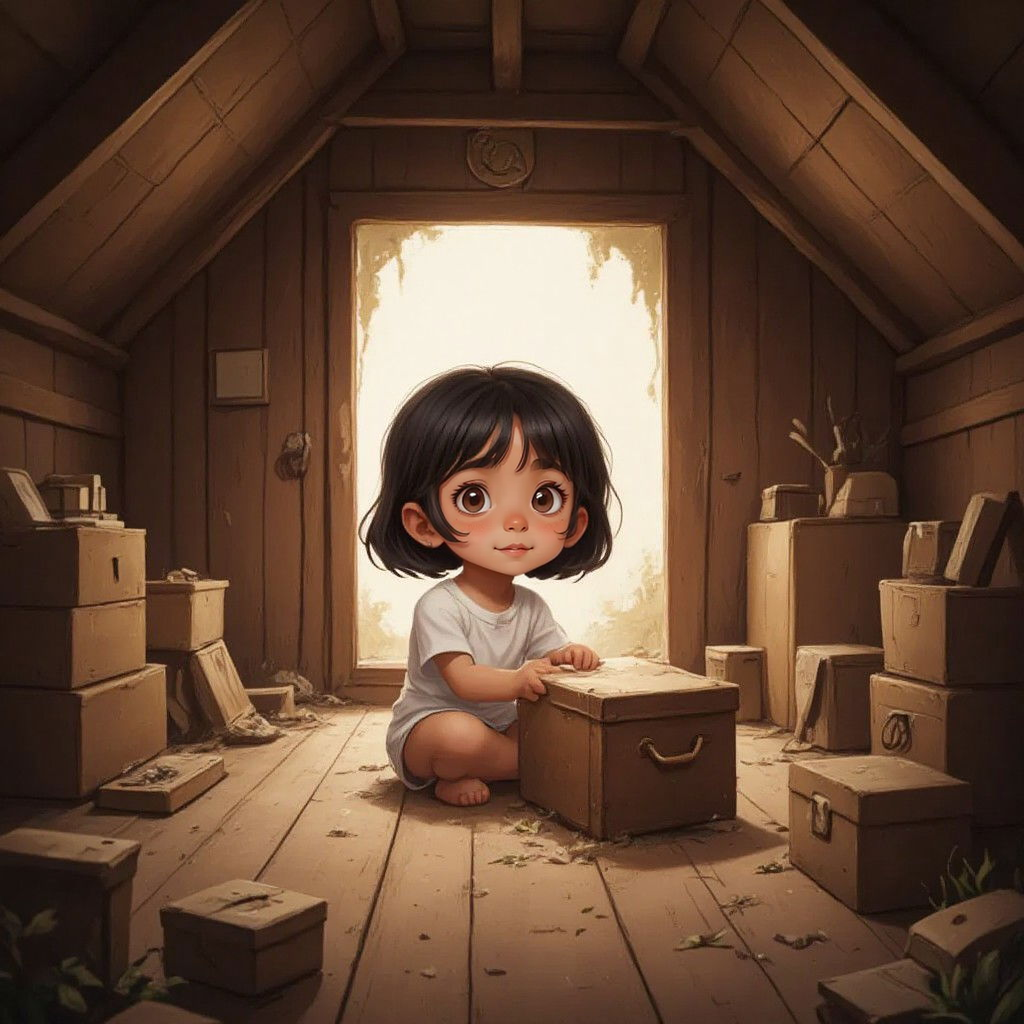
un baúl con recuerdos de los momentos felices con la familia
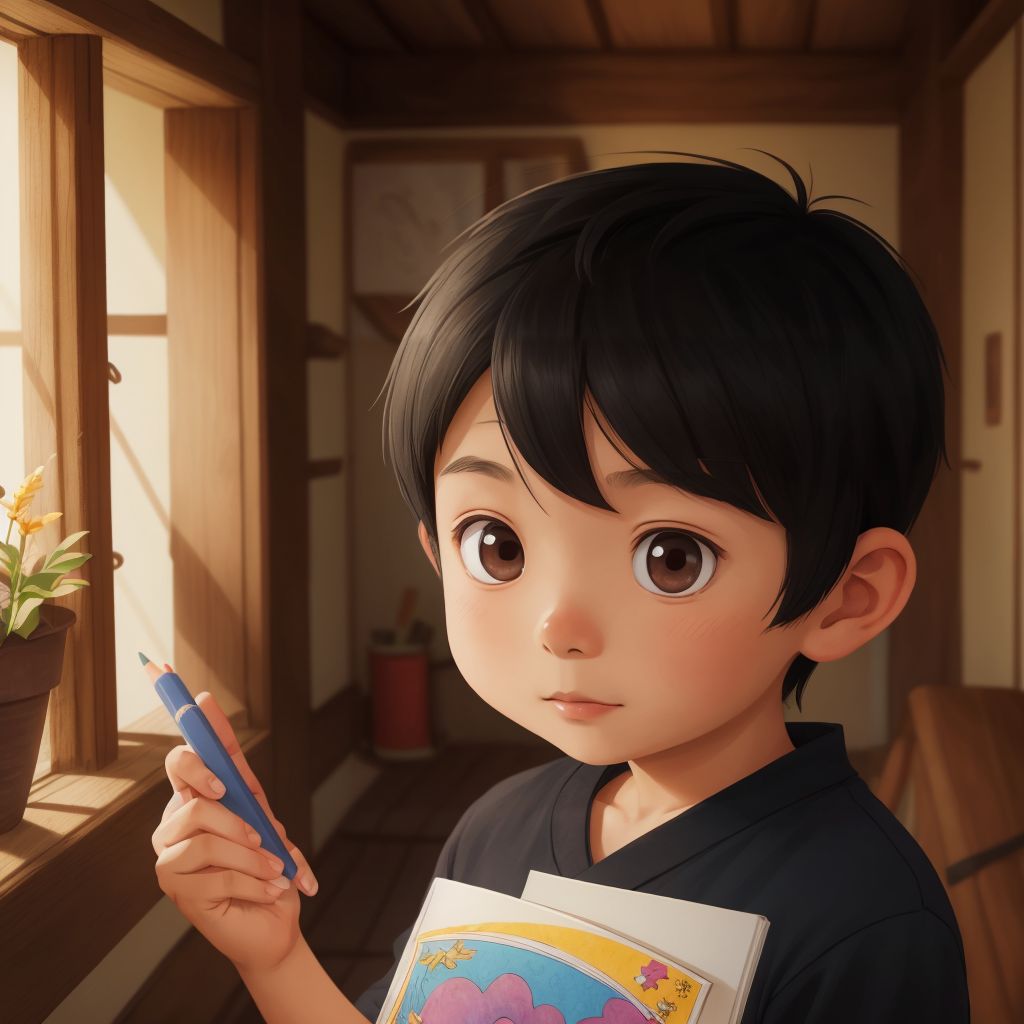
A kid's storytelling and coloring of different races of kids with different disabilities worldwide.
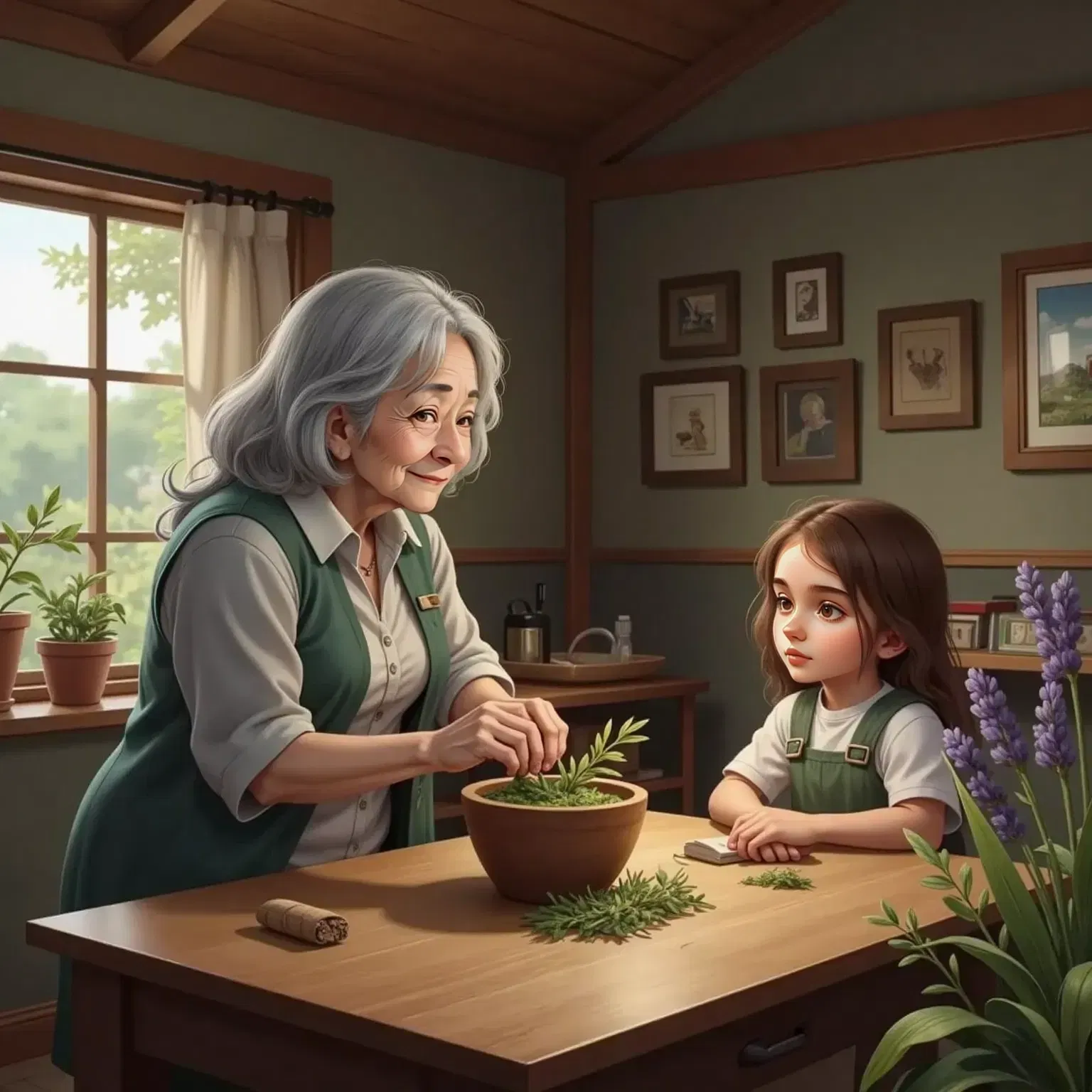
In the small village of St. Osyth in 1582, seven-year-old Febey Hunt’s world was upended when whispers of witchcraft turned her peaceful home into a place of fear. Her stepmother, Ursula Kempe, a midwife and healer, was accused of casting malevolent spells. To Febey, Ursula’s remedies were acts of care—her poultices and potions often soothed fevers and aches. Yet, neighbors claimed she used those same skills to harm. Febey saw her stepmother dragged to trial, where neighbors gave chilling testimonies. They spoke of Ursula’s supposed curses causing illness and death. The young girl struggled to reconcile these tales with the warm, hardworking woman she knew. To Febey, the accusations seemed like a nightmare conjured by adults' mistrust and superstition. When Ursula was condemned, Febey felt the weight of the village’s judgment—not just on her stepmother, but on her own family. Rumors spread like wildfire, tainting everyone connected to Ursula. Febey watched as fear fueled division and heartache. The witch trials forever changed the young girl, planting questions about justice and truth. For Febey, it was a harsh lesson in how fear and suspicion could overshadow kindness, leaving her with a story she would never forget.
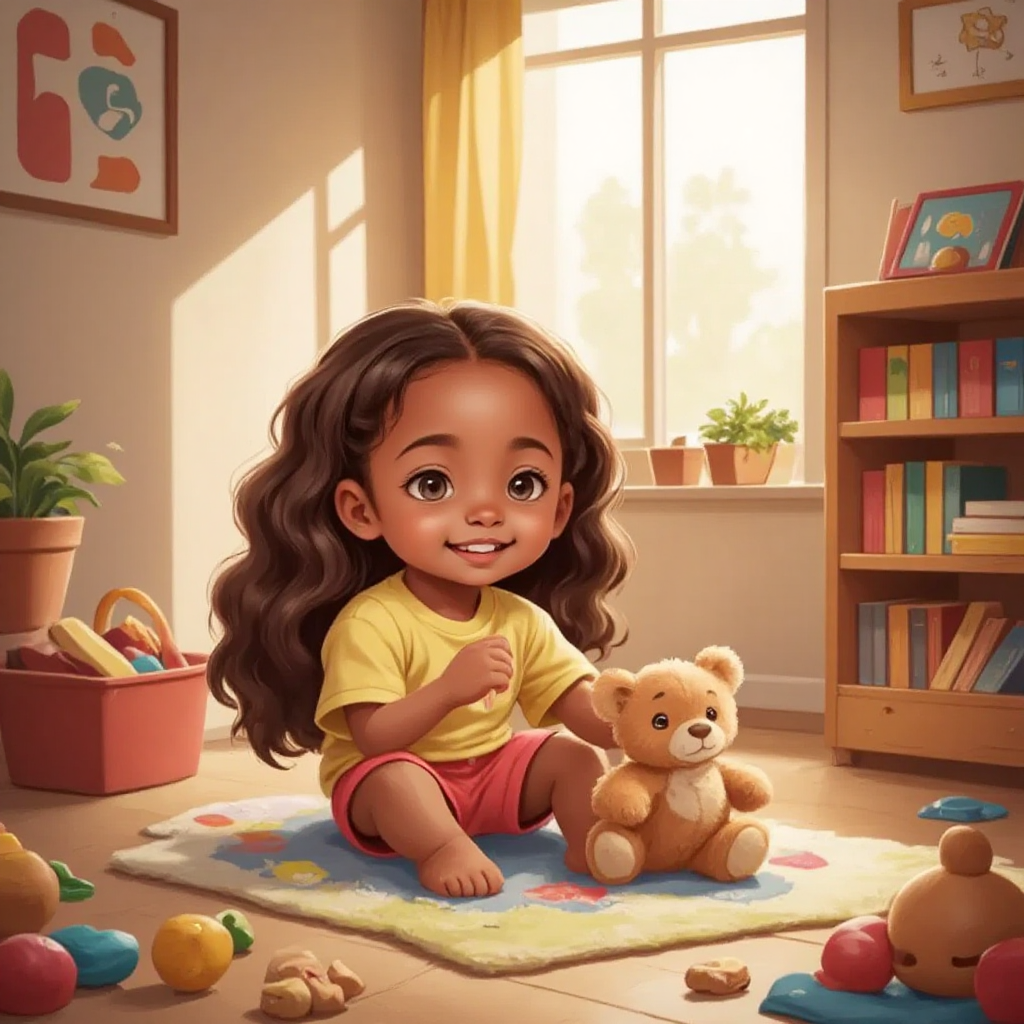
learning how to use the potty
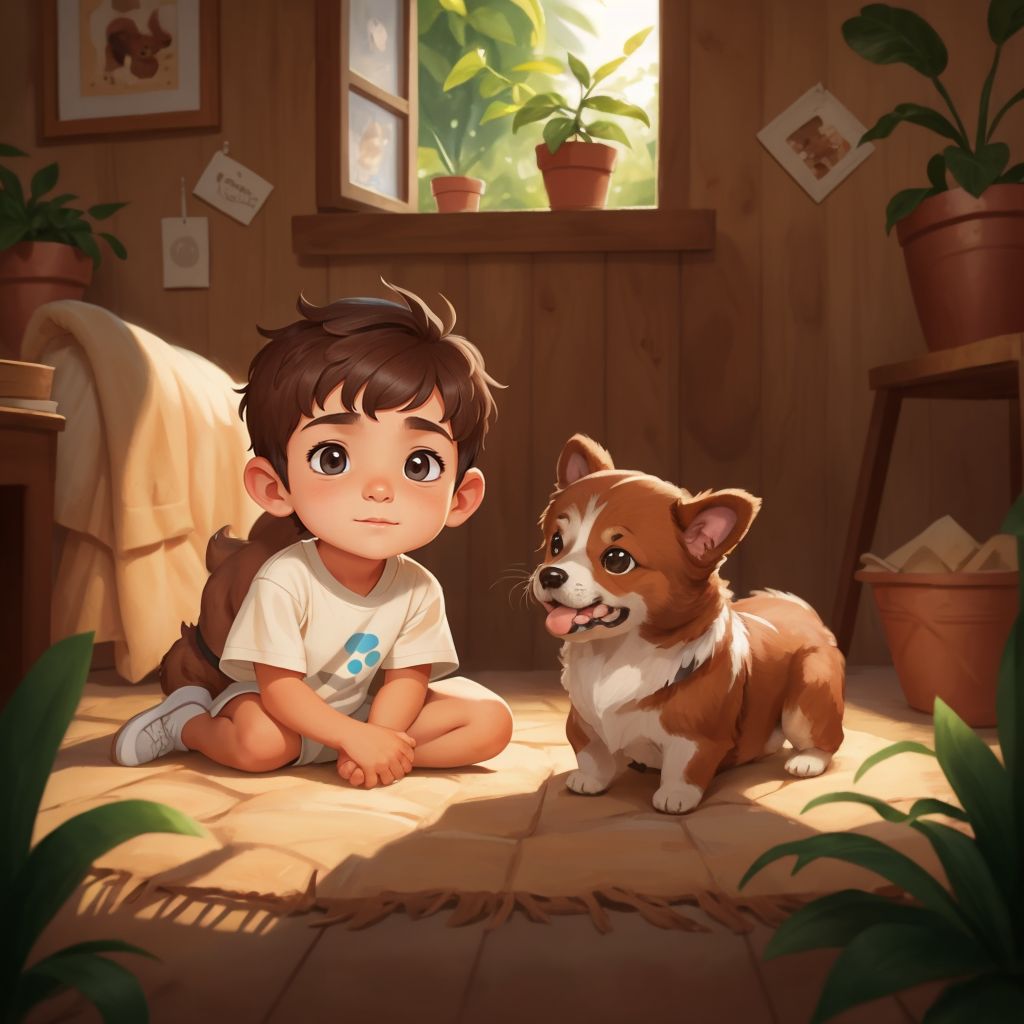
the boy sets out on an adventure to find the perfect gift for his dad
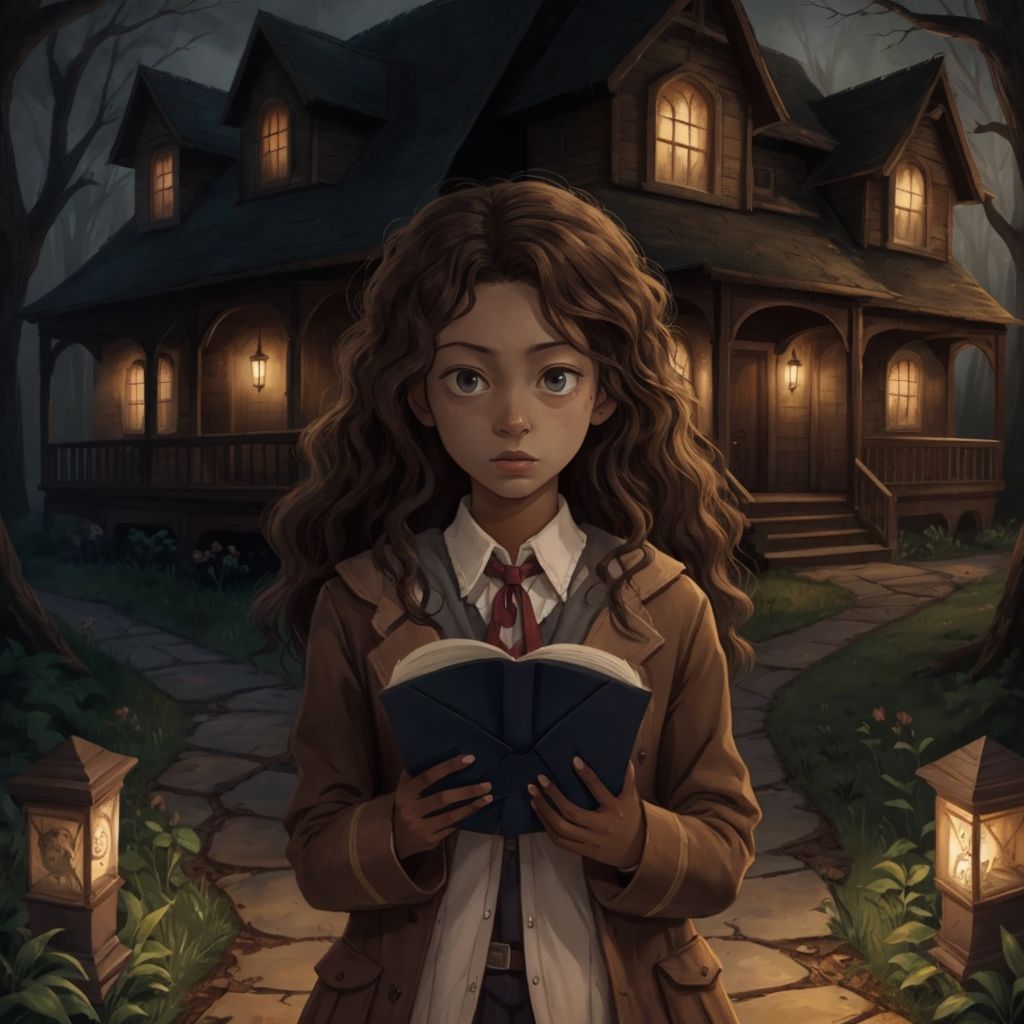
Friends and family mystery team solves the mystery in the haunted house.
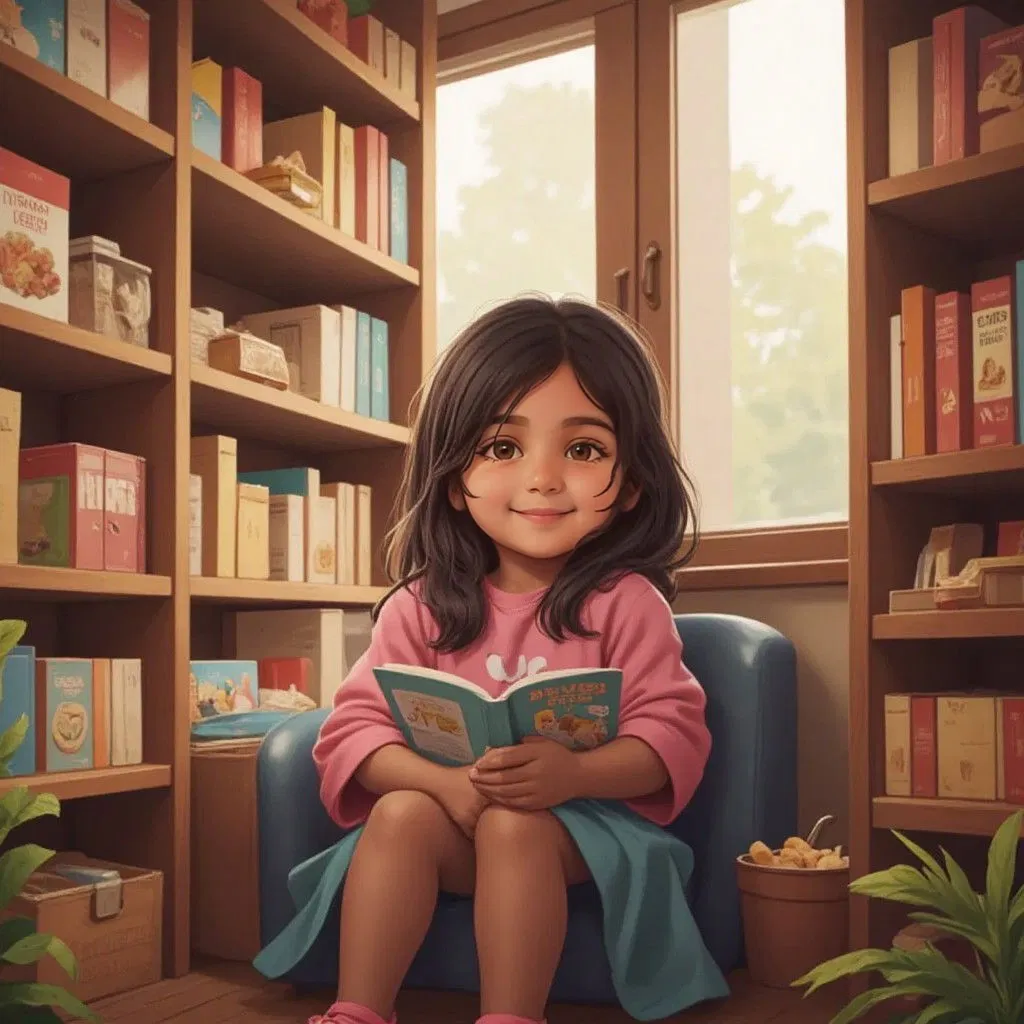
Emma lives in Scarborough with her single mother. They live in an apartment building. Her mom does 2 jobs to make ends meet, however with high rent and cost of living, theyhardly have enough money for food. So one day, along with her mom, Emma goes to the local foodbank that is run by Feed Scarborough. At the foodbank, while Emma was waiting in one corner reading some fun books, while her mom was shopping at the foodbank, Emma saw a racoon walking around, playing with an apple. Emma started talking with the Racoon. Racoon told Emma that his name is Dignity, and the apple is his friend, named Hope. Dignity told emma all about food insecurity in our community and that she is not the only one who comes to the foodbank. Feed Scarborough's foodbanks are set up like a grocery store, so her mom can pick and choose the food that Emma likes. Dignity also told Emma about so many children, who are not having enough food to eat nowadays as times are tough. Dignity told Emma that better days are coming soon as Toronto's Mayor and Canada's Prime Minister is working together to have better food in school so no children need to study in empty stomach. As dignity was telling Emma these stories, suddenly Emma heard her Mom's voice, calling out to her. As she turned towards the door, she saw her mom asking her to come with her so they can leave the foodbank. As Emma turned back, Dignity and Hope was nowhere to be seen. Was Dignity and Hope real? Were they really there telling Emma the story or were they franction of her imagination, as on the wall, there was a poster of Dignity and Hope (which are the mascots of Feed Scarborough.
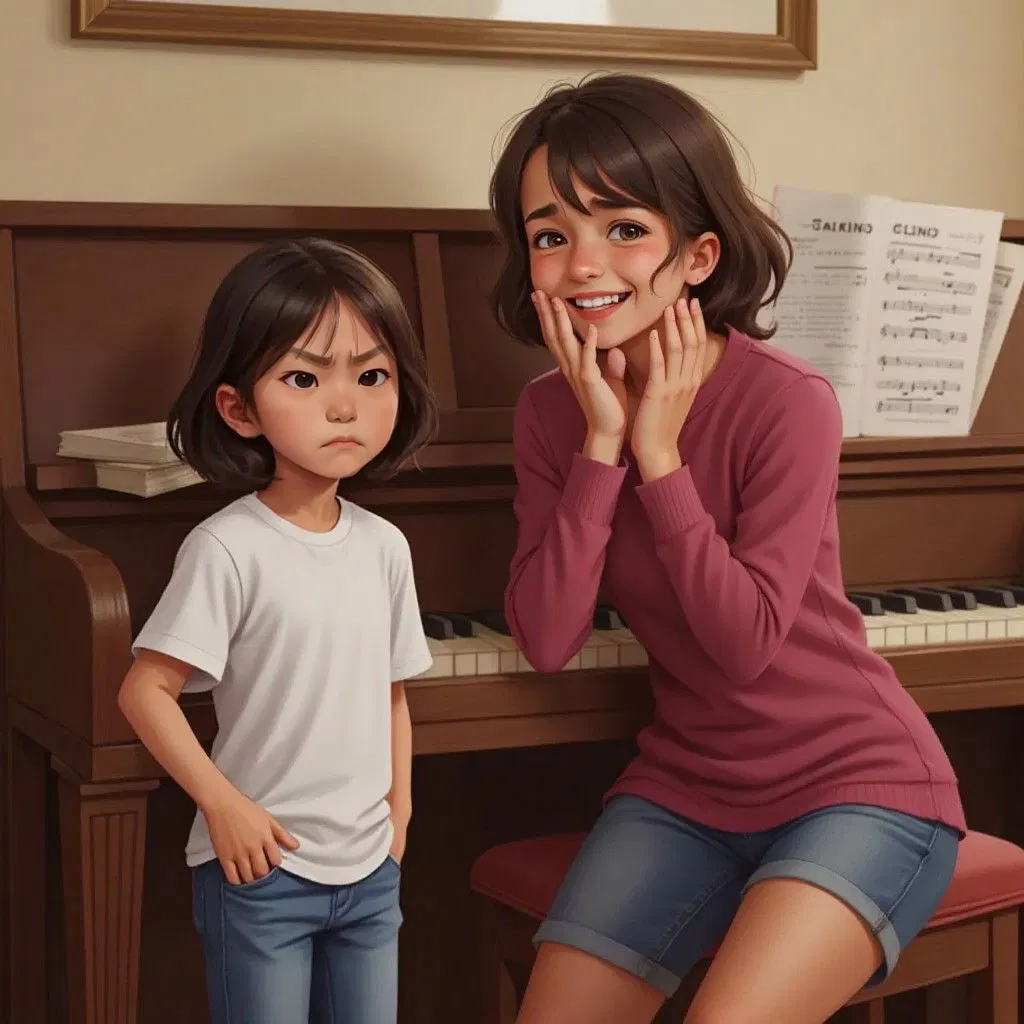
My brother imitates me every time: he eats everything I eat, he has his own chair and he wants to sit in the same chair I sit in, if I do ballet, he imitates ballet, if I play the piano, he wants to play the piano. I'm very upset, what can I do? I want to find a way to get along with my brother without fighting.
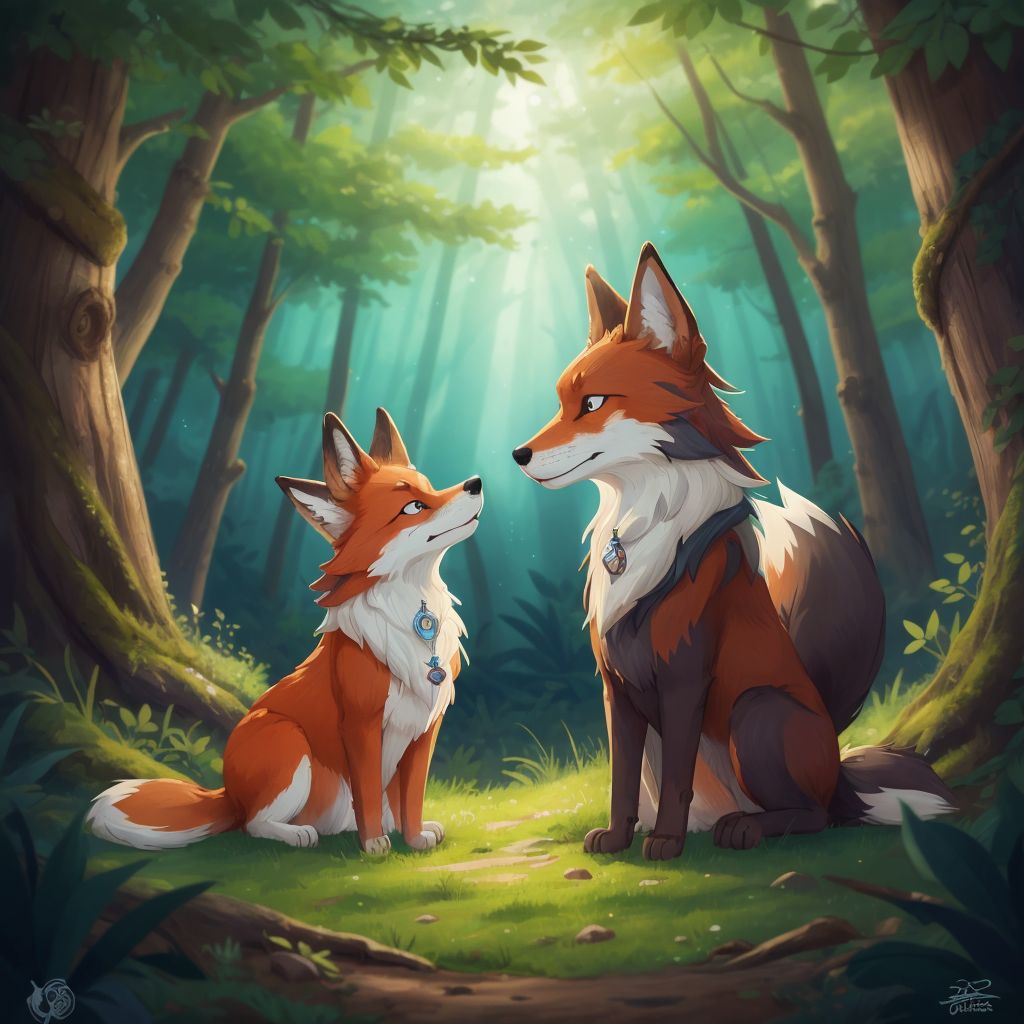
Fantastic animals that do not exist on earth. Their habitat and way of life.

1. η μαμά Κική τραγουδάει και χορεύει στο σαλόνι μαζι με την μική Αναστασία και Νικολέτα σε κύκλο κρατώντας τα χέρια τους 2. Ο μπαμπας Σταύρος τρώει καρπούζι στη κουζίνα μαζι με την μικρή Αναστασία και την Νικολέτα. 3. Μαμα Κική και η μικρή Αναστασία και η Νικολέτα φτιάχνουν μπισκότα στην κουζίνα. 4. Σταύρος , Κική , Αναστασία και Νικολέτα κάνουν μπάνιο στην θάλασσα. 5. Η οικογένεια χορεύει χαρούμενη

Children learn the importance of mental health
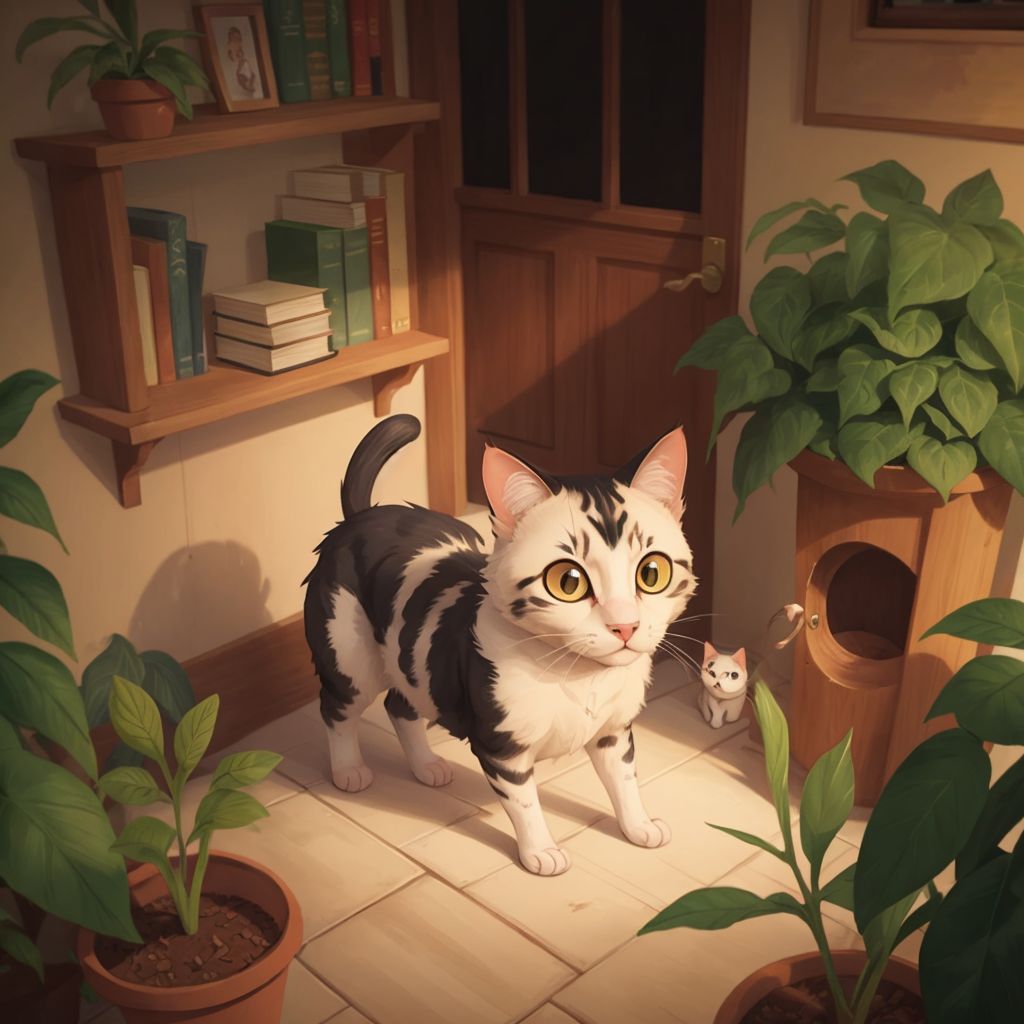
Il était une fois, dans un petit village, un chaton nommé Milo. Milo était très curieux et aimait explorer tout ce qui l’entourait. Il vivait avec une gentille vieille dame qui s'appelait Mamie Jeanne, dans une maison remplie de plantes, de coussins moelleux, et d’une grande bibliothèque remplie de livres. Un jour, alors que Mamie Jeanne lisait un livre, Milo remarqua une porte dans le mur du salon qu'il n’avait jamais vue auparavant. La porte était petite, presque cachée derrière une plante grimpante. "Qu’est-ce qui peut bien se trouver derrière cette porte?" se demanda Milo avec excitation. Sans attendre, il s’approcha de la porte et la poussa doucement avec sa petite patte. La porte s’ouvrit lentement, révélant un escalier en colimaçon qui descendait vers un endroit sombre. Milo hésita un instant, mais sa curiosité l'emporta, et il décida de descendre. En bas de l'escalier, Milo découvrit une pièce secrète! Elle était remplie de jouets anciens, de peluches, et de boules de laine colorées. Il y avait même un vieux train électrique qui faisait "tchou tchou" en tournant autour de la pièce. Milo était émerveillé. Il sauta, joua avec les peluches et poursuivit les boules de laine qui roulaient un peu partout. Soudain, il entendit un léger bruit derrière lui. Il se retourna et vit une petite souris grise qui le regardait avec de grands yeux curieux. "Bonjour, je m'appelle Lily," dit la souris timidement. "Je vis ici depuis longtemps, mais je n'ai jamais eu de compagnon de jeu." Milo sourit et répondit: "Je suis Milo, et j'adore jouer! Veux-tu jouer avec moi?" Lily accepta avec joie, et ils passèrent le reste de l'après-midi à jouer à cache-cache, à faire rouler les boules de laine, et même à essayer de conduire le petit train ensemble. Quand le soir tomba, Milo savait qu'il était temps de rentrer. "Je reviendrai demain!" dit-il à Lily en montant les escaliers. Lily lui fit un signe de la main avant de disparaître dans son petit trou de souris.
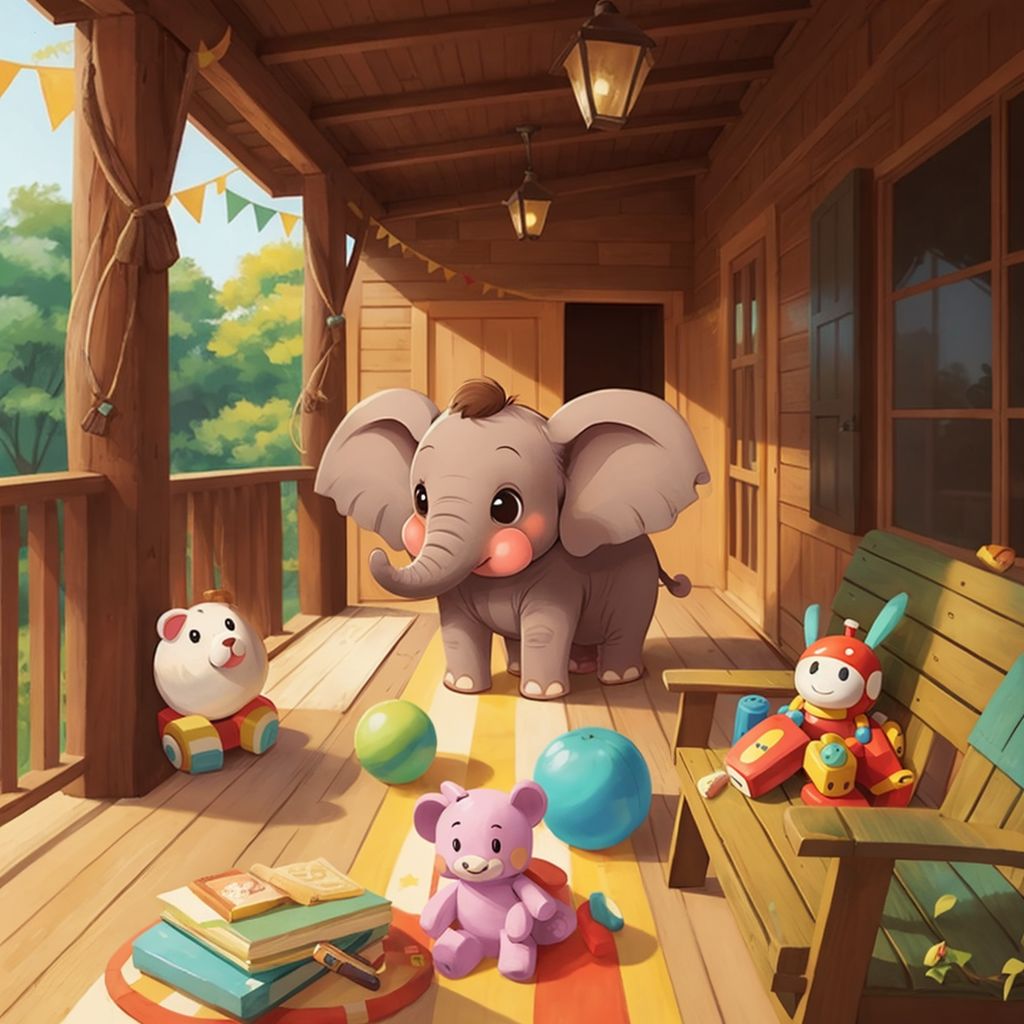
1. Gogo is a little elephant who loves to play. He has a lot of toys. 2. One day Gogo was playing on his porch. He took out a lot of his toys. 3. Hola the noticed Gogo playing. 4.Hola was interested in playing with Gogo’s toy cars. Hola said “Gogo, can I borrow this toy?” but Gogo stopped her. 5. Hola left while crying because she was sad. 6.After that, a Giraffe named Niku appeared. Niku looked at Gogo who was playing. He really wanted to play with Gogo’s blue and white ball. 7.When Niku the Giraffe took Gogo’s blue ball, Gogo shouted. “No, don’t touch it. That’s my ball, don’t take it”. 8. Niku left with a gloomy face leaving Gogo 9. The next day. Gogo walked in the park, carrying his favorite blue and white ball. From the date, he saw his friends playing soccer on the field. There were Hola and Niku chasing the ball. 10. Gogo approached his friends. “Hey everyone, let’s play together” 11.Hola the white cat said, “We don’t want to play with you, you’re stingy Gogo”. 12. Gogo the little elephant realized his mistake, that the toy should be played together. he was sad because his friends didn't invite him to play. 13. Gogo the little elephant then ran home. 14. He went into his room and cried hugging his mother. 15. Mother gave Gogo a paper. "Now Gogo write Gogo's sincere apology, and tell your friends" 16. Gogo wrote a letter with the words "Forgive Gogo, Let's play together at my house". After writing the letter, Gogo ordered him to send the letter to his friends' houses. 17.The next day, Hola the White Cat, Niku the Giraffe and Dondon the Parrot came to visit Go at his house. At the front door of the house Gogo greeted his friends happily. 18. Let's play together, forgive me friends". Gogo allowed his friends to hold Gogo's toys. 19. Turns out playing together is fun,” Gogo said excitedly.

"Magical Culinary Secrets of the Steppes" follows Asyl's quest for culinary wisdom. He meets Wise Grandma Jamila, who shares "Bauyrsaq" recipe. Next, he discovers "Beshbarmak" from an old sage near Bayterek. Finally, he unveils the ultimate recipe, "Kazy," from the Enchanted Shaman. Asyl returns home, enriched with Kazakh cuisine's essence.