
 Start Read
 Recommend

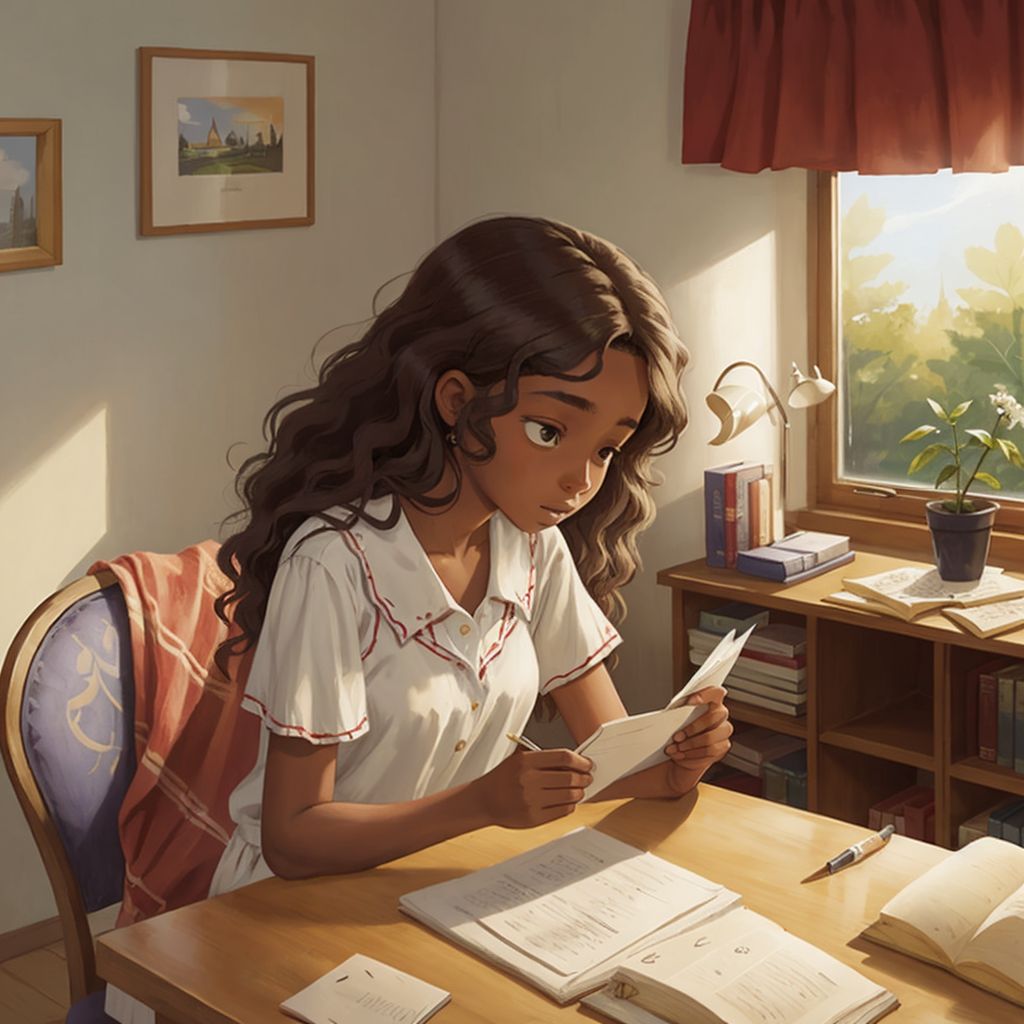
1. a boy meets a girl at a charity event 2. started going home together for the event 3. they fall in love with each other 4. the boy kiss the girl 5. they live happily ever after

Little girl wants a reindeer for christmas she tries out different animals until she finds her perfect pal
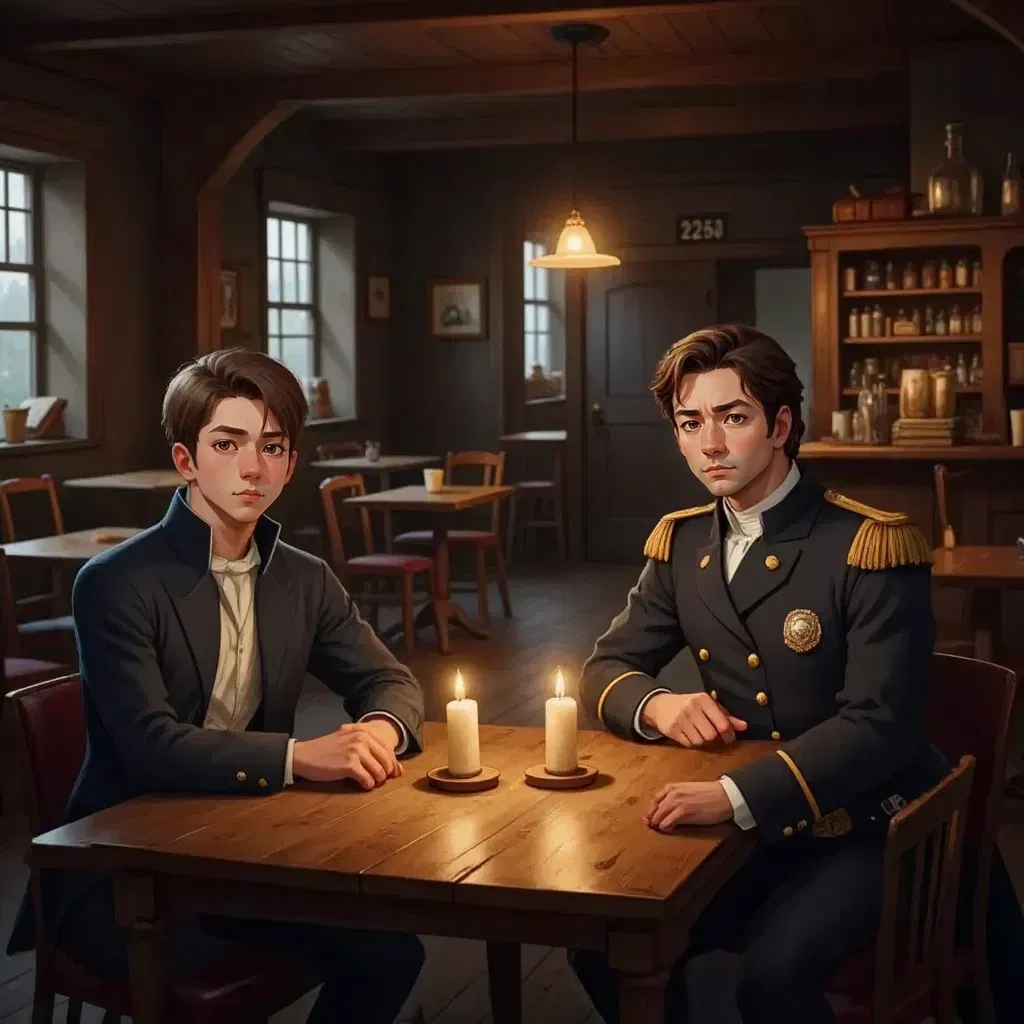
The Culper Spy Ring was a crucial intelligence network during the American Revolution, providing George Washington with vital information about British troop movements. Established in 1778 under Major Benjamin Tallmadge, the network operated in New York City with key figures like Abraham Woodhull, Austin Roe, Anna Strong, and Caleb Brewster. They used coded messages, invisible ink, and pseudonyms to protect their identities. At the same time, thousands of American prisoners endured horrific conditions aboard British prison ships like the Jersey, where overcrowding, disease, and starvation led to a death toll of 8,000 to 11,000. Austin Roe, a tavern keeper, acted as the principal messenger for the spy ring, while Anna Strong helped deliver messages using a clothesline signaling system. Meanwhile, British officials profited from the suffering of the prisoners by falsifying records. The Culper Spy Ring operated successfully for five years, with no spies ever being unmasked.

Miles is a mischievous boy who often mocks others. During International Week at school, he makes fun of his teacher Ms. Patel's cultural dress. That night, Miles is magically transported through his closet to Riyadh, Saudi Arabia. There, he meets a girl named Fatima who introduces him to the local culture, including food, clothing, and customs. Through this experience, Miles learns to appreciate different cultures and understand the significance of traditional clothing. He tries shawarma, learns about the hijab and keffiyeh, and sees the beauty in cultural diversity. When he returns home, Miles has a new respect for his teacher and classmates' cultural expressions. The story ends with Miles embracing his own culture (wearing an Irish outfit) and playing with his new multicultural friends. The main themes of the story are cultural appreciation, overcoming prejudice, and the importance of understanding and respecting diversity.
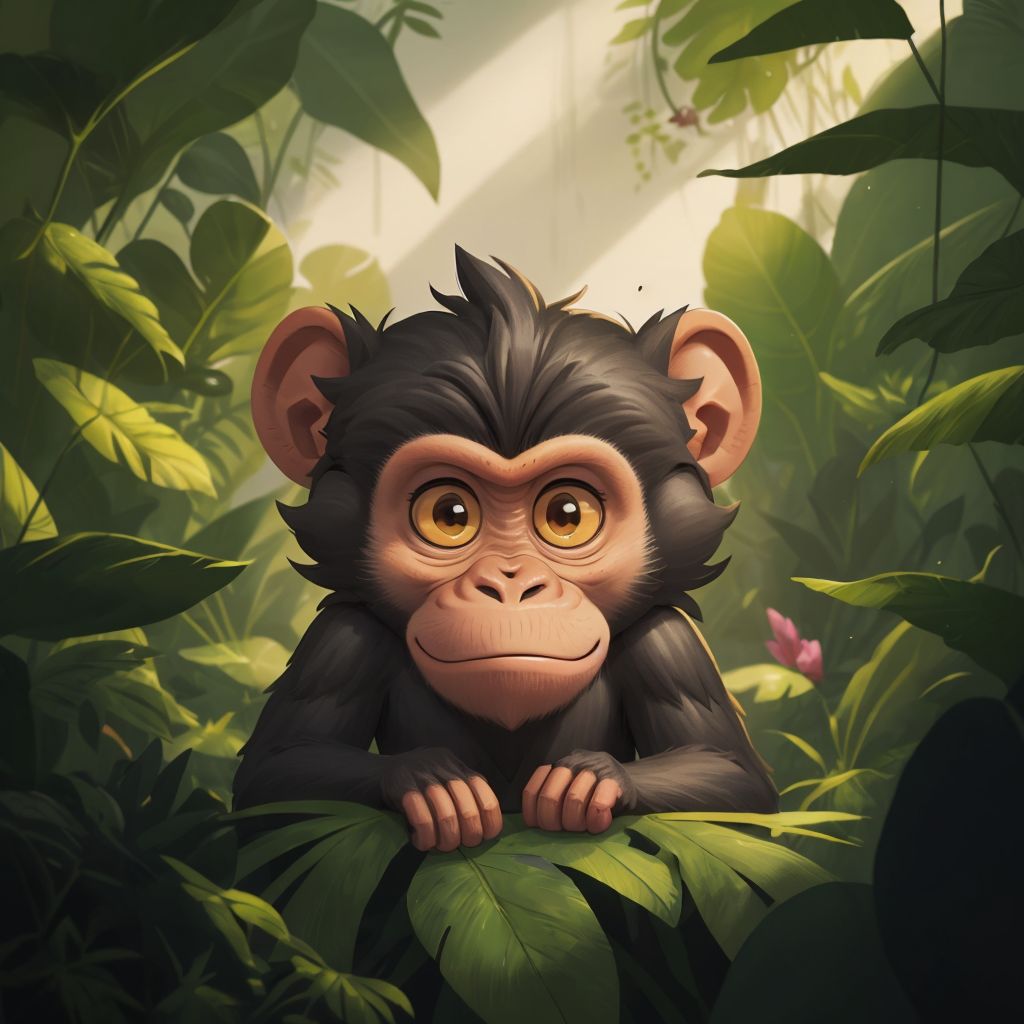
Once upon a time in the heart of the jungle, there lived a clever and mischievous black monkey named Max. Max was known for his quick wit and playful tricks, but sometimes his pranks went too far. One sunny day, Max decided to sneak into the jungle’s biggest banana orchard. The bananas were the juiciest and most delicious in the entire jungle, and Max couldn’t resist. He grabbed as many as he could, stuffing them into his cheeky little paws. But, just as he was about to make his escape, the orchard keeper spotted him! “Stop right there, Max!” yelled the orchard keeper, a wise old elephant named Ellie. “You’re stealing from me again! You’re going to jail for this!” Max’s eyes widened in fear. He knew he was in trouble, but he wasn’t about to let Ellie catch him so easily. In a flash, Max dashed through the jungle, but Ellie was quick. She caught him and locked him inside a sturdy cage at the jungle’s jail. Max sat in the cage, feeling a little scared and guilty. But, being the clever monkey he was, he didn’t stay down for long. As he looked around, he noticed something special in his pocket – a single, ripe banana. It seemed small, but Max had an idea. “I may be locked up, but I won’t give up,” he thought, smiling slyly. With his sharp teeth, he quickly peeled the banana and used the peel to carefully slip through the small cracks of the cage. It took time, but Max was patient. Finally, with a little wiggle and a lot of determination, Max managed to break free! As Max scampered out of the cage, he heard Ellie approaching, but by then, he was already far away, laughing at his own cleverness. He learned a valuable lesson that day. No matter how tough life gets, there’s always a way out if you don’t give up. The Moral of the Story: Never give up, even when things seem impossible. With clever thinking and determination, you can always find a way to overcome challenges.
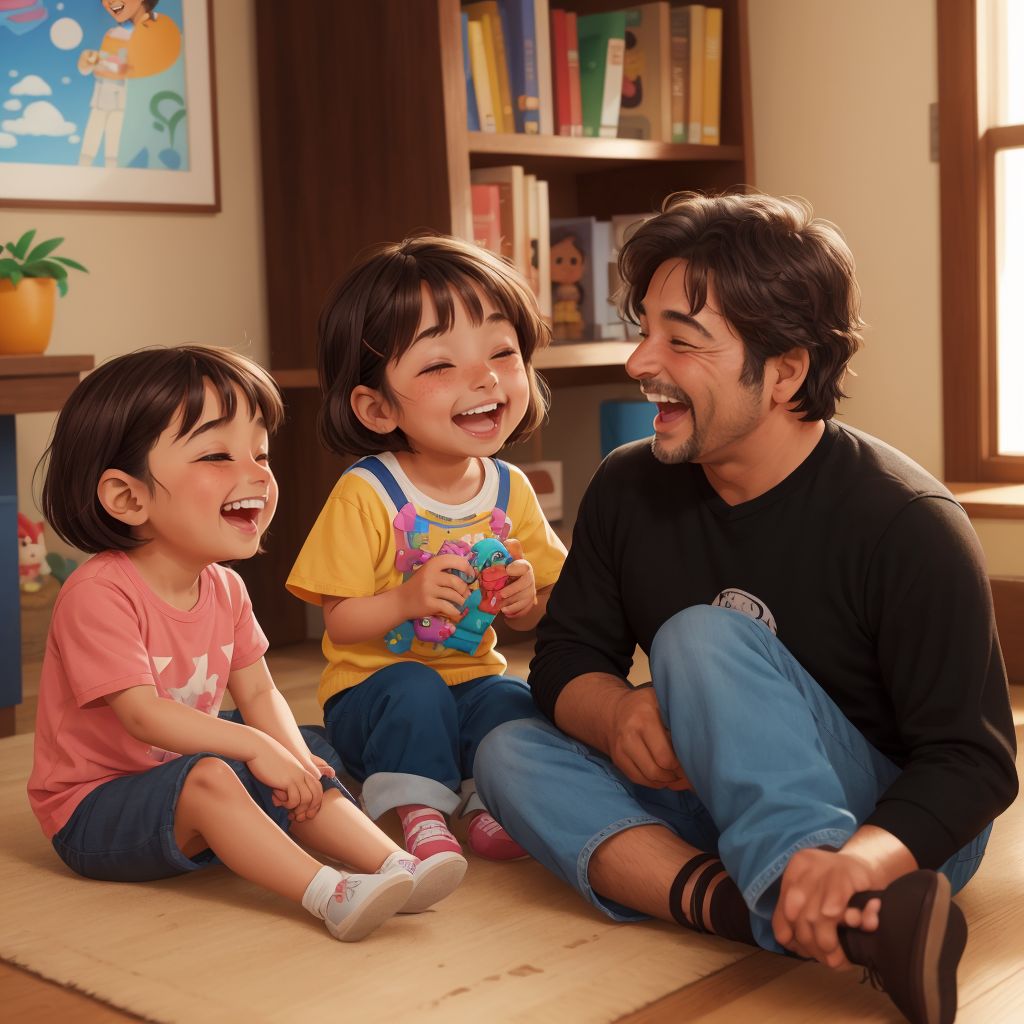
Bella enjoys her life as an only child living with mom and dad. She does not want things to change. With a new sibling on the way, Bella becomes very upset and worried mom and dad will forget about her. As predicted, when her new sibling arrives, he receives all of the attention from everyone. However, to Bella's surprise, her new sibling comforts her in a time of distress. She then begins to realize the importance of family.
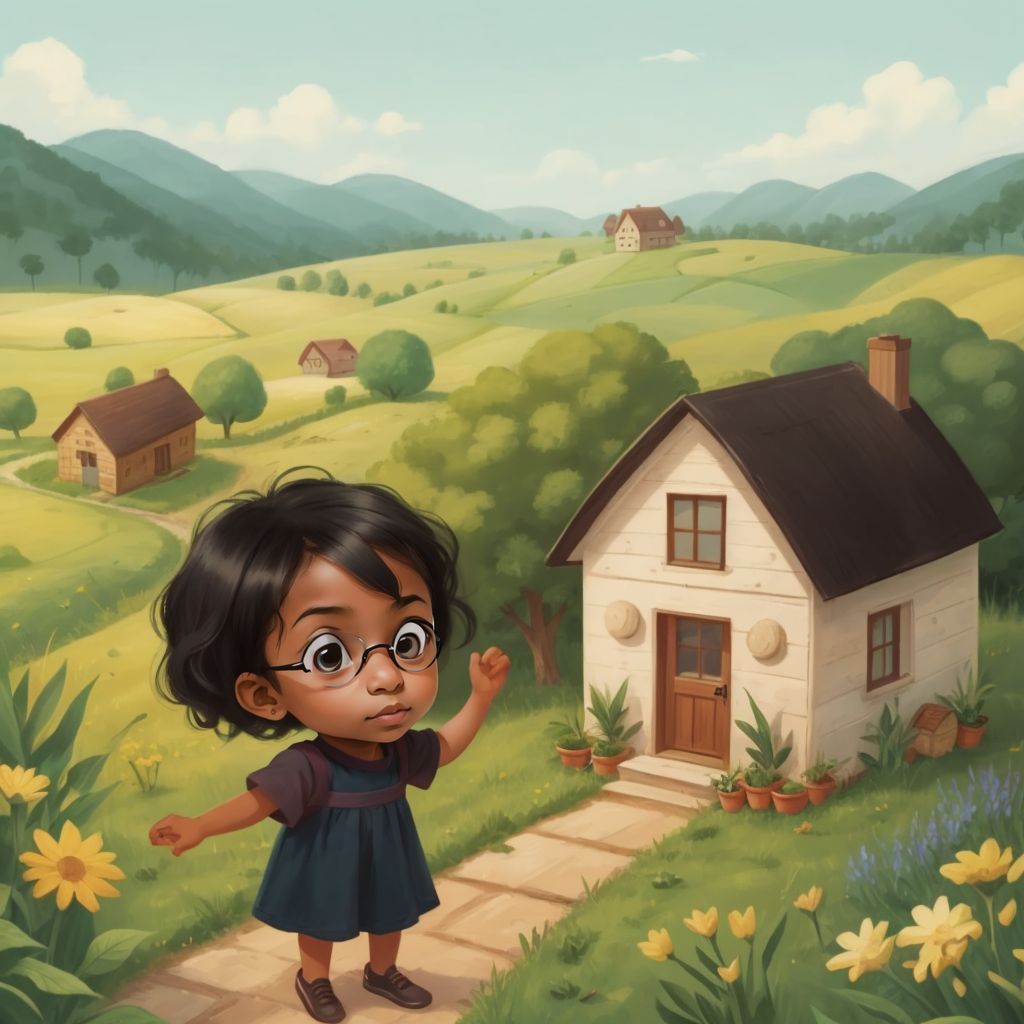
Rebecca is a timid little girl that goes to visit her grandmother in a village - she enjoys feeding cows, running through pastures etc.
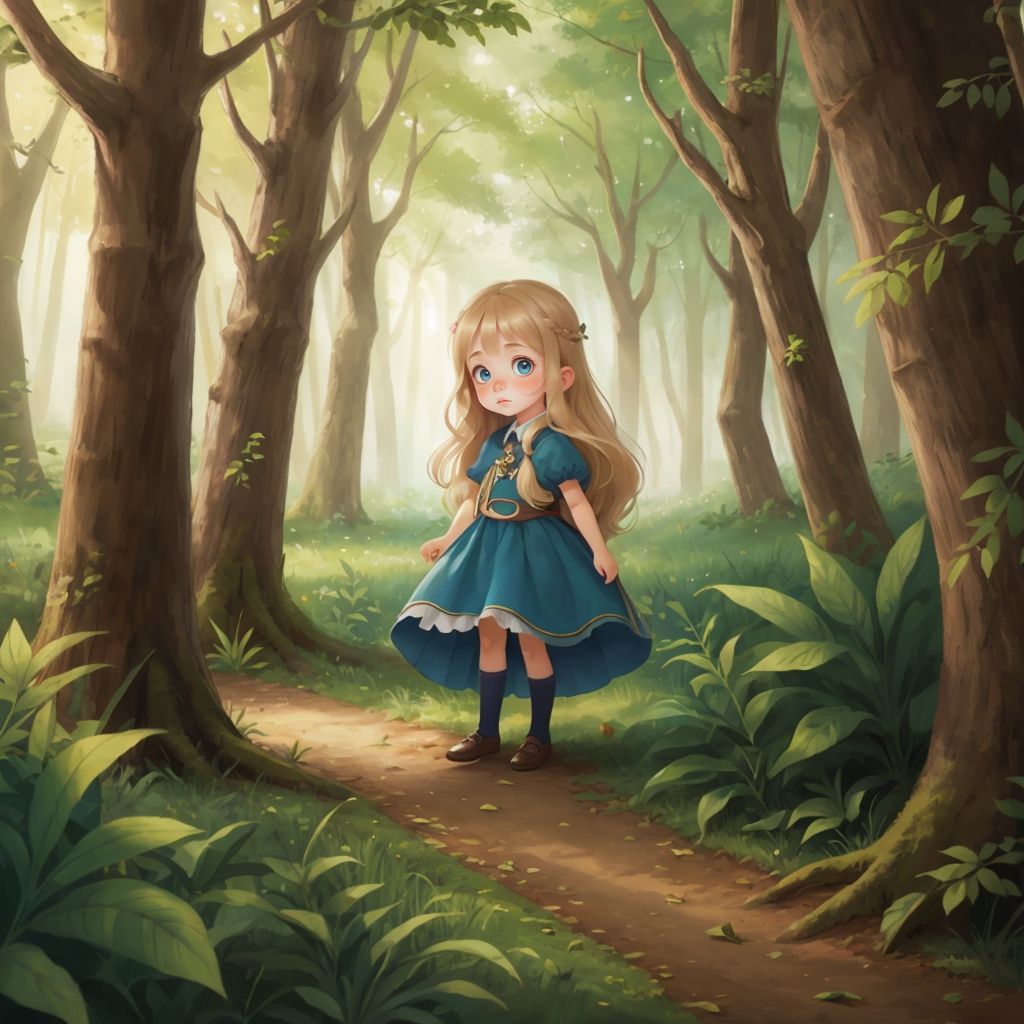
Adventures of a little girl in the big enchanted forest full of mystic creatures.

1.Jenny is questioned and accused of talking to voices by the hospital voices. 2. Jenny explains she is exercising her 1st amendment and praying out loud 3. Congress shall make no law respecting an establishment of religion, or prohibiting the free exercise thereof; or abridging the freedom of speech, or of the press; or the right of the people peaceably to assemble, and to petition the Government for a redress of grievances. 4. Jenny reminds her roommate that she should be able to pray aloud without any troubles or being falsely accused

simple children's book illustration of a mischievous brown tabby Maine Coon kitten that is fluffy like a lion, playing with a ball of yarn.
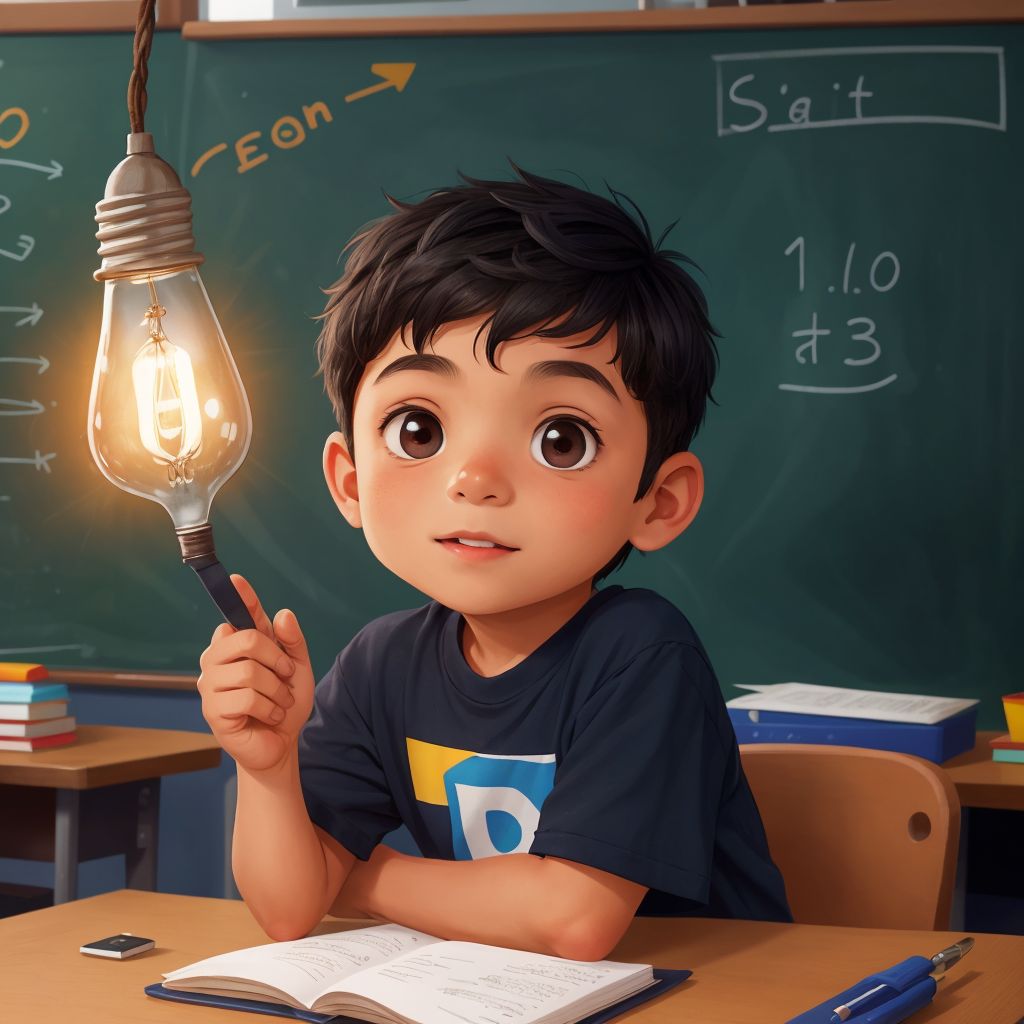
Paulo, a little boy who learned at school the importance of saving energy. He noticed that there were always lights on in his street. When he grew up, he became the mayor of the city, and with the city's key, he turned off all the lights during the day, saving enough money to renovate the schools.
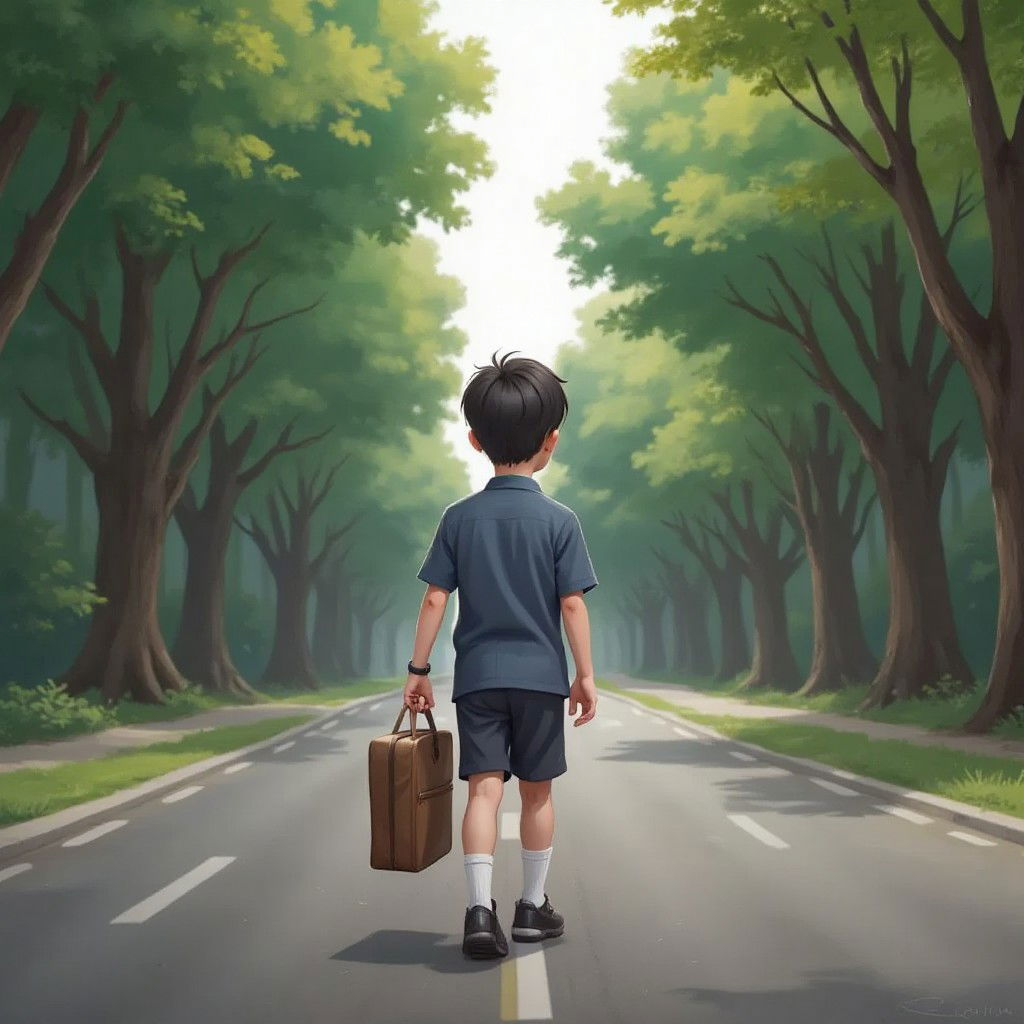
*"Three boys walk home together from school, their journey starting on a quiet road with a pedestrian lane. Aiman carries his school bag, listening to Afifi suggest a safer shortcut away from the busy main road. Along the way, they notice a bush on fire near the roadside, with smoke rising into the hot afternoon air. Afifi points it out in alarm, and Gobi spots a man on his phone nearby. The boys rush toward the man to alert him about the fire, concern etched on their faces."*
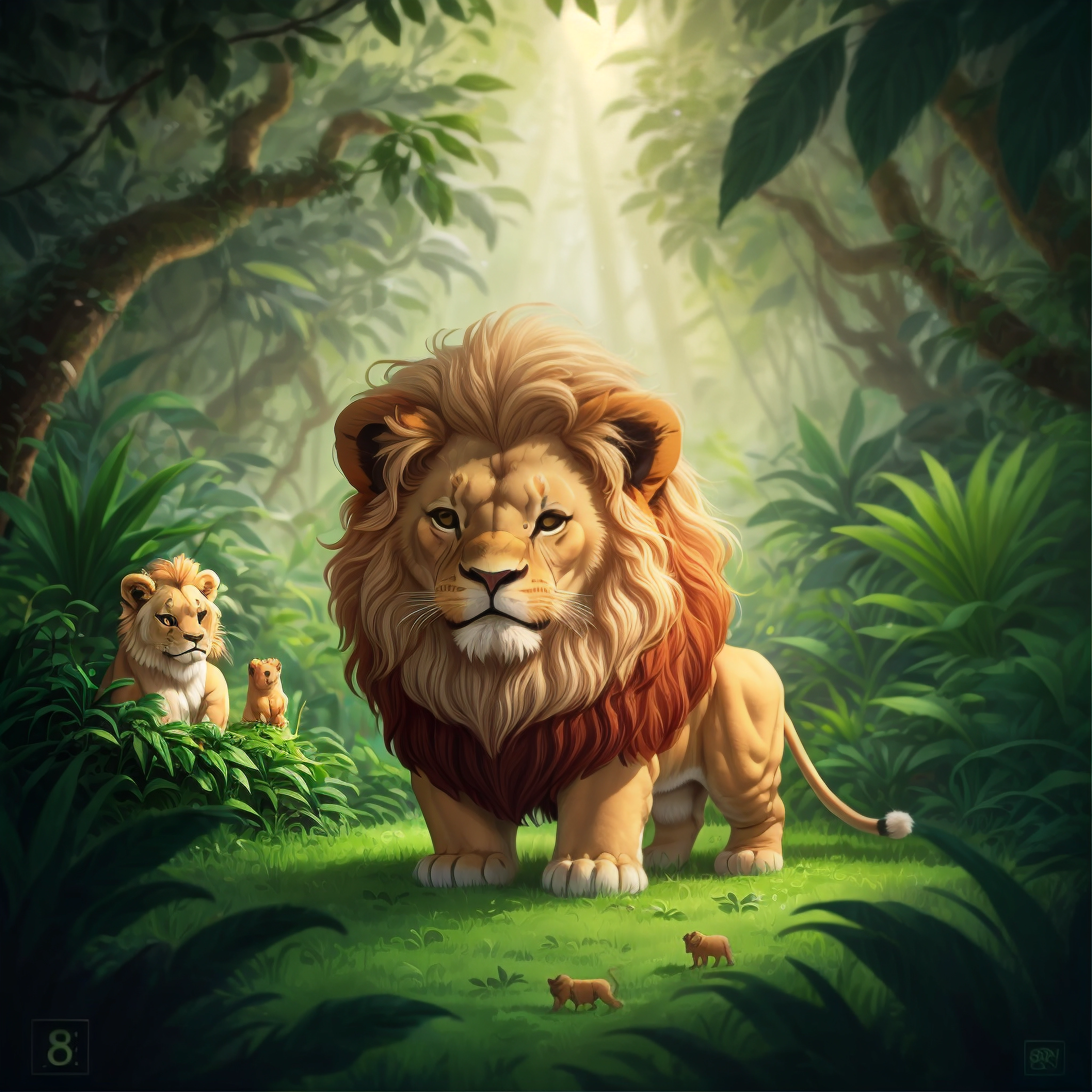
Tiny the lion learns about social sustainability through his mistakes and fixes them to make the jungle a socially sustainable community
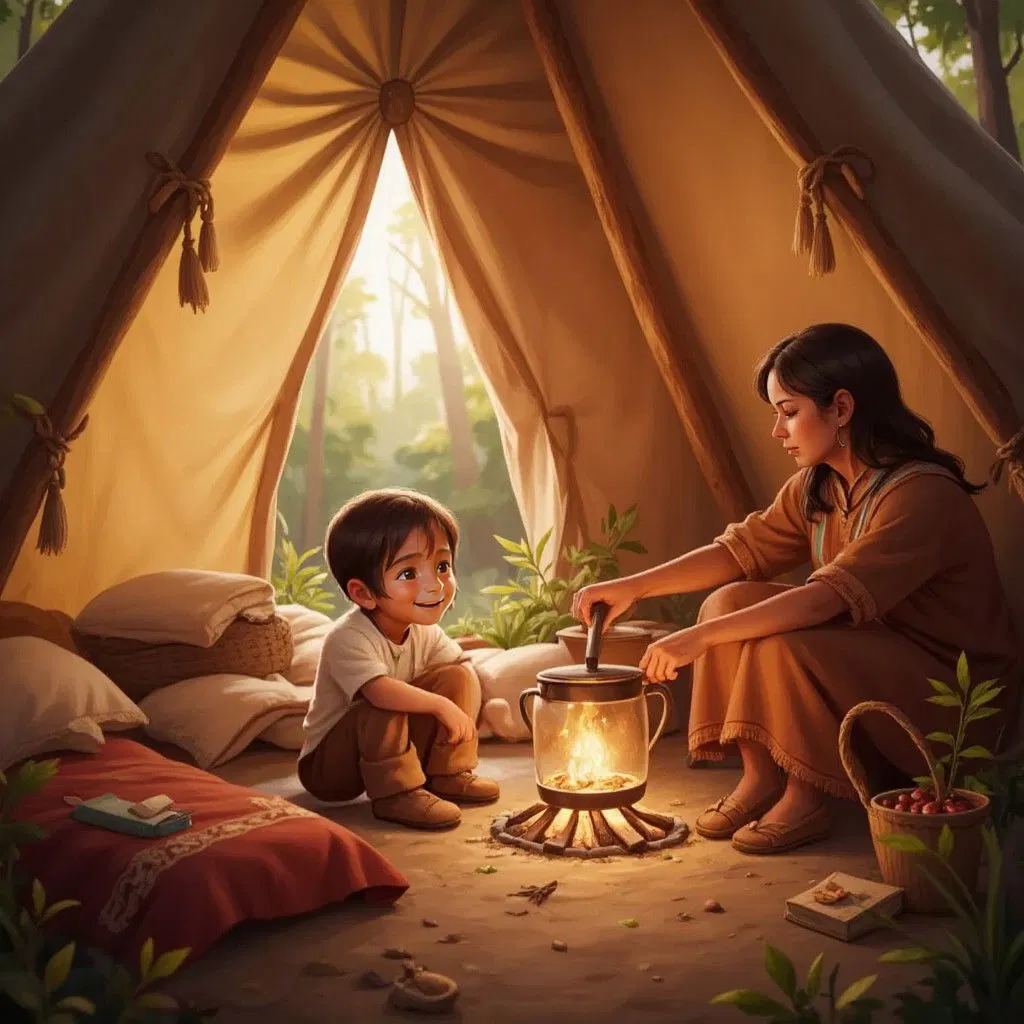
A childrens book about a young Lakota Sioux Native American boy named Deacon. This story takes you through the daily things that Lakota Sioux do each day. Sioux means "little snakes" and Deacon is a proud member of the snake house. Lakota are known for their warrior culture and their Ghost Dance to protect their lands. Lakota Sioux manly hunt and eat buffalo. They would eat chokecherries and enjoy herbal tea. They use the buffalo skin to make blankets and teepees and moccasins for their feet. They live in "Tipis" the Sioux word for dwelling. The Lakota Sioux live in North America clustered in what is now Wisconsin, Minnesota and North and South Dakota or the Great Plains. Lakota Sioux were known for their beadwork and porcupine quillwork. Lakota Sioux would use canoes to travel and dogs/sleds to pull things. When horses were introduced to them it changed their culture. Long hair is important to the Lakota Sioux and should not be cut unless you are mourning the loss of a loved one. Lakota children played with rawhide dolls and throwing the willow spear. It is important to pass on the Lakota traditions and remember their 7 values of respect, compassion, honesty, generosity, wisdom, humility, and prayer.

The story, "My Special Day: My Baptism," prepares a young boy for his upcoming Greek Orthodox baptism in a comforting and engaging way. It explains what a baptism is—a joyful event where he becomes part of God’s family—while introducing the key moments he will experience. The story walks him through the day, starting with arriving at the church, wearing a special white outfit, and meeting the priest. It describes the use of water, oil, and receiving a cross in a reassuring tone, emphasizing how these actions will feel and the love and support he will have from his family, friends, and his Nouna.

about safe adults and boundaries

1. A boy first time onboard airplane 2. Never visit middle east country. 3. Hot and dry weather makes him feel different. 4. Dad brings him to visit desserts and play with camel 5. Dad takes photos of him and Burj Khalifa 6. Have no idea what people are talking. 7. Everybody is fully covering their body. 8. Eat good food like kebab and shawarma.

A man goes camping with his friends and they are about to go sleep but a storm comes and there is a haunted house so they have to go there but when they get in the door shuts and they have to run away from ghosts and monsters
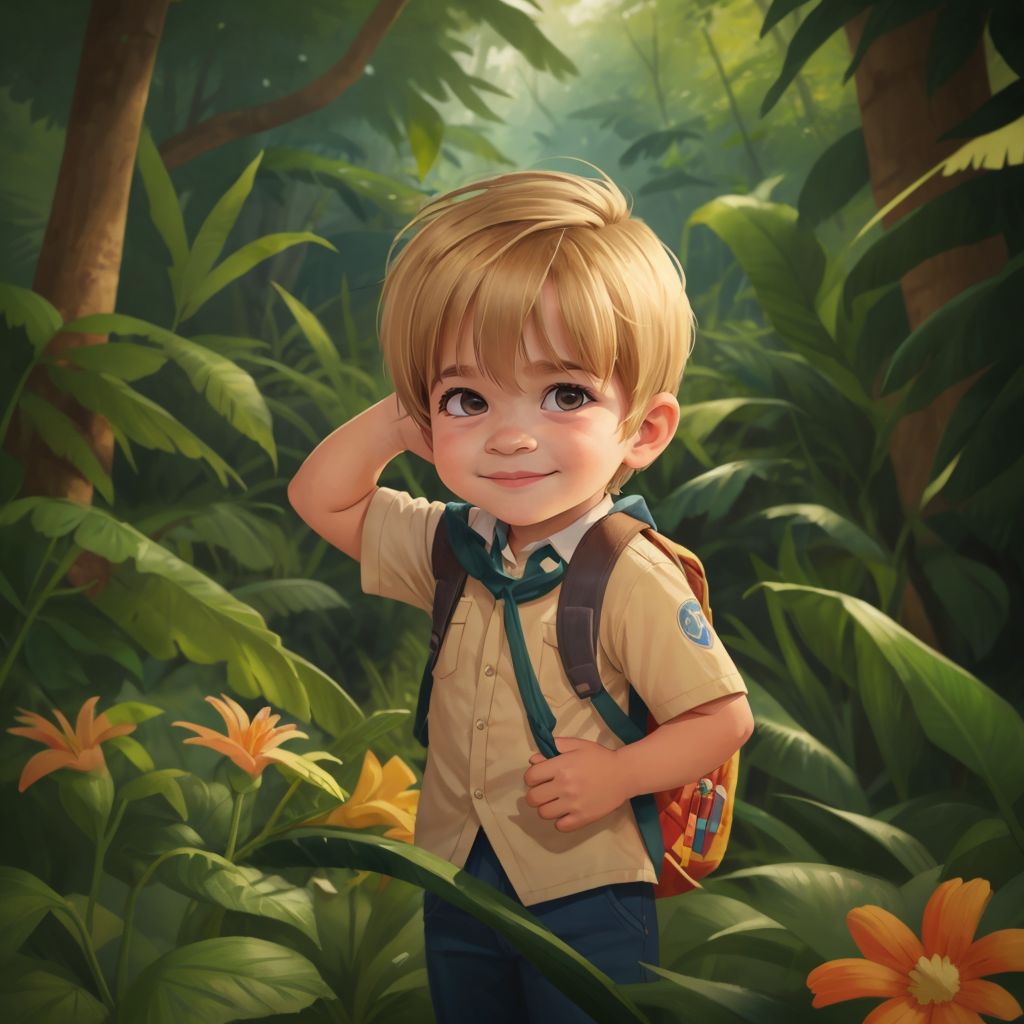
Esta es la historia de Faustino, un niño feliz. Le dicen Fausti. Vive sonriendo y es muy dulce. Le encantan los animales, las pelotas y la música. Vive con su mamá, su papá y sus cuatro hermanos varones. Con ellos se divierte mucho, le encanta oír a su hermano tocar la guitarra y verlos jugar al rugby. Un día Faustino se quedó dormido y soñó que iba a la selva a explorar. Tenía su ropa de explorador, binoculares y una mochila con cosas importantes de supervivencia y sus juguetes. Vio muchos animales, algunos peligrosos pero eran muy buenos en su sueño. Leones, elefantes, cebras. No podía creer todo lo que veía, quería contarle a su familia. De repente se despertó! Era todo un sueño. Le contó a su mamá su sueño y le dijo que quería que fueran todos juntos la próxima vez. Su mamá lo miró feliz y le prometió que así sería.
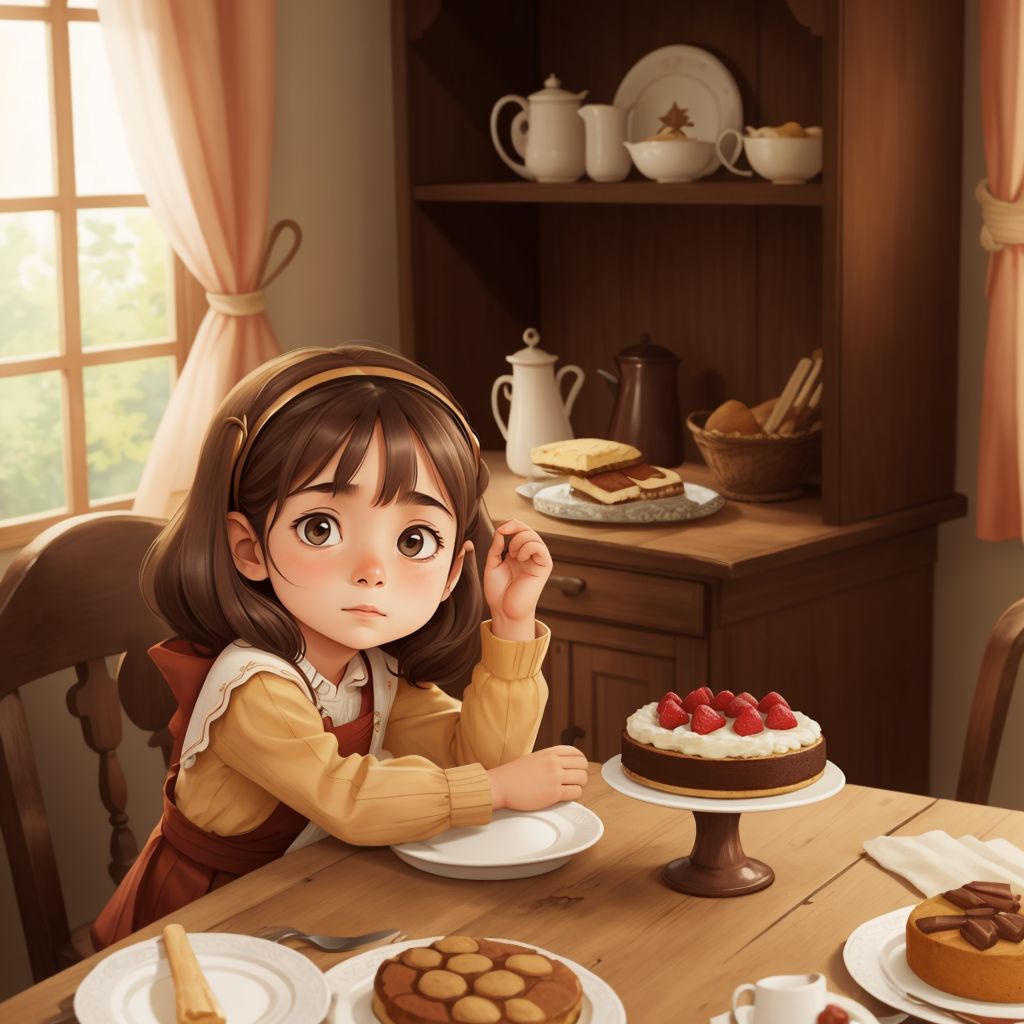
In a small German town, Luzia spoke Hornjoserbšćina (Upper Sorbian) and loved her culture. She greeted her family, "Dobre rano, mama! Dobre rano, tato!" and enjoyed lužiski koláč (Lusatian cake) for breakfast. Luzia felt proud in her traditional kroj (costume) but sad when her friends didn’t understand her language. At school, her teacher, Pani Novak, taught in German. Luzia tried teaching Upper Sorbian to her classmates but found it challenging. After school, she played in the luga (meadow), singing Sorbian songs. At home, she helped her babka make knedliki (dumplings) and listened to her děda's tales. She whispered "Dobru noc, swět" (Good night, world) each night, dreaming of preserving her culture. One favorite poem was "Serbska Róža" (The Sorbian Rose). Luzia hoped for a future where everyone knew her language. As long as she spoke Upper Sorbian, it would live on.